
Create Accessible Websites with TYPO3
With TYPO3, accessibility is never an afterthought. Build inclusive web experiences with a CMS that's made for everyone by providing the technical infrastructure needed to achieve WCAG 2.2 and EAA - conformity.
TYPO3 for Accessibility
Create inclusive digital experiences with a user-friendly CMS that puts accessibility at the forefront. TYPO3 empowers developers and editors to build accessible websites that work for everyone. Backed by a dedicated open source community driving continuous improvement, TYPO3 makes accessibility a shared commitment—not just a requirement.
What makes TYPO3 ideal for accessibility?
TYPO3 provides essential **accessibility features out of the box**, including keyboard navigation, adjustable text presentation, alternative text for images, and multilingual content support. Its accessible CMS architecture gives developers a solid foundation for building and maintaining **accessible websites** without relying on a patchwork of plugins.
The TYPO3 ecosystem also offers extensions such as mindfula11y and uw_a11y_check to help editors identify accessibility issues and evaluate content against accessibility requirements.
TYPO3's backend is continuously reviewed against WCAG 2.2 Level AA success criteria, addressing barriers such as keyboard focus and screen reader feedback.
For frontend development, the official TYPO3 Bootstrap Package has been independently tested for accessibility against WCAG 2.1 and EN 301 549, providing a proven foundation for building WCAG-compliant websites.
Website performance is part of an accessible user experience. TYPO3's server-side architecture, granular caching, and native WebP and AVIF support help deliver fast, efficient websites—even on slower connections and older devices.
Stable layouts and responsive interactions also make websites easier to navigate with screen magnification, keyboard navigation, switch controls, and other assistive technologies.
TYPO3's modular architecture lets organizations adapt the CMS to their accessibility requirements and editorial workflows. Developers and site builders can configure accessible interfaces, support appropriate color contrast, create permission-based accessibility QA processes, and integrate additional accessibility checks.
This flexibility makes accessible content management part of the publishing workflow—not a one-time compliance task.
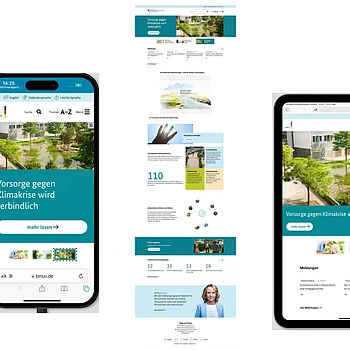
TYPO3 powers the Government Site Builder (GSB), the content management framework used for German federal government websites. Public-sector websites in Germany must meet accessibility requirements under BITV 2.0, based on European accessibility standards and WCAG.
Its use in government demonstrates how TYPO3 can support accessible public-sector websites where accessibility and compliance are fundamental requirements.
TYPO3's community continuously contributes to web accessibility, identifying issues, improving the platform, and sharing solutions. Accessibility is a key component of ongoing development.
This community-driven approach delivers measurable results. In the 2026 WebAIM Million, TYPO3-powered homepages had 27% fewer detected accessibility errors than WordPress-powered homepages, highlighting TYPO3's strong accessibility performance among open source CMS platforms.
TYPO3 Partners
Partners with expertise in creating accessible websites.


Case Studies
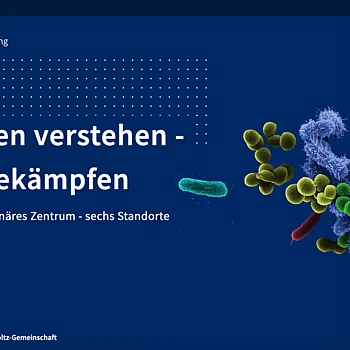
Leading organizations use TYPO3 to transform their digital presence and provide accessible web services.



Get in Touch
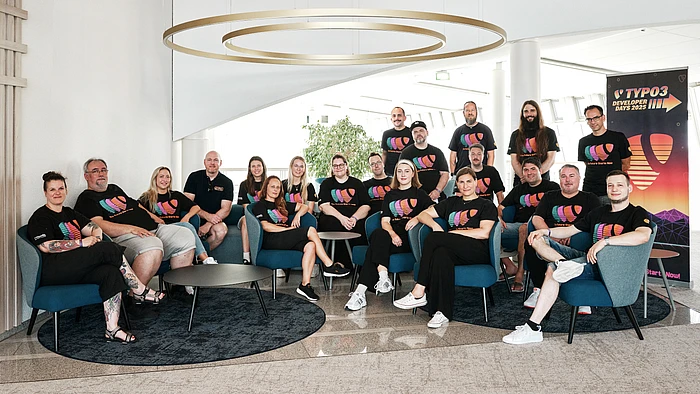
We’re here to support you in building more inclusive digital experiences.
More use cases
Data privacy & GDPR
TYPO3 helps you safeguard user data with robust privacy features, GDPR readiness, and enterprise compliance tools for secure digital experiences.
Integrations
Extend TYPO3 effortlessly with powerful integrations. Sync with CRM, analytics, and marketing platforms to streamline workflows and enhance digital operations.
Enterprise
TYPO3 is the enterprise CMS built for scale. Integrate with your tech stack, manage multilingual sites, and deliver exceptional performance with robust security and flexibility.